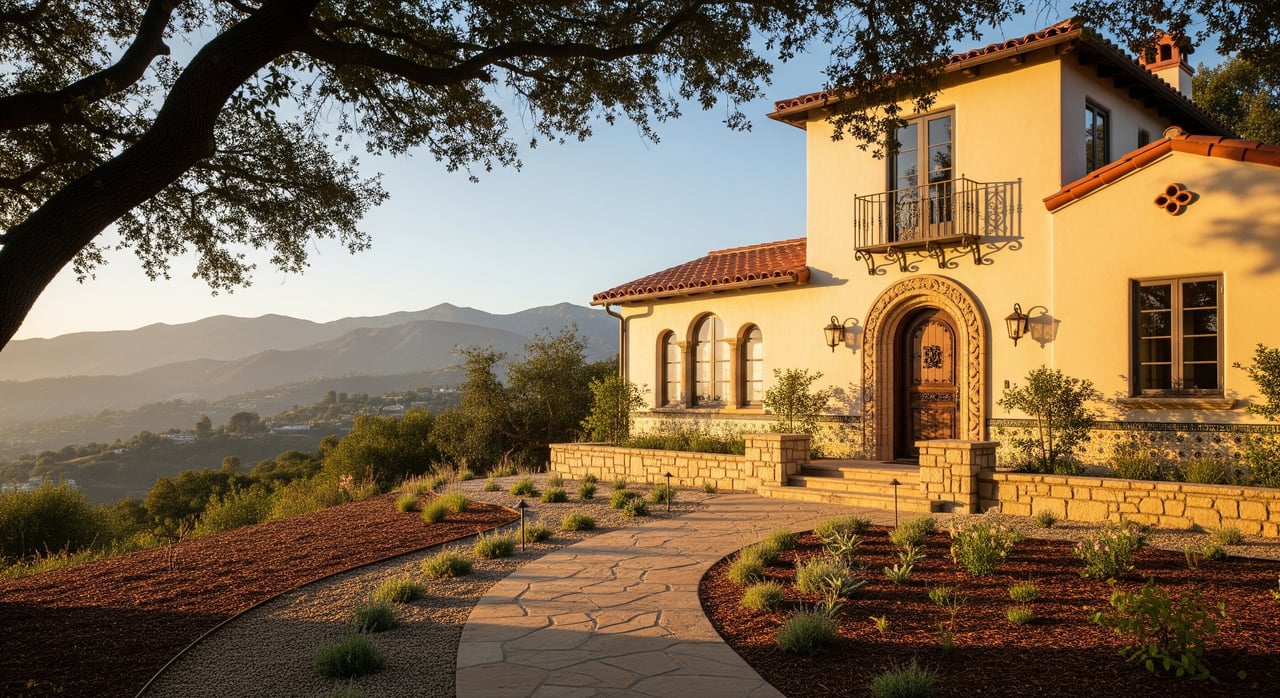
If you are buying or selling a home in Sierra Madre, you are likely dealing with foothill charm, mature landscapes, and plenty of character. You are also stepping into a part of the San Gabriel Valley where wildfire risk, hillside development rules, and possible historic status make disclosures more involved than a typical sale. Getting these items right protects you, speeds up escrow, and builds trust with the other party.
This guide breaks down what to disclose, how statewide rules interact with Sierra Madre’s local standards, and which documents to gather up front. You will learn how wildfire and defensible space affect insurance and closing, what hillside permits and reports matter most, and how historic designation can shape future changes to a property. Let’s dive in.
What California requires in every sale
California sets baseline disclosure duties for residential sales. You must complete the Transfer Disclosure Statement, which covers material facts and known defects. You also need a Natural Hazard Disclosure that shows whether the property lies within mapped hazard zones such as fire hazard severity areas, floodplains, earthquake fault zones, seismic hazard zones, or dam inundation areas.
If the home was built before 1978, include lead-based paint disclosures. Plan to share any recorded notices, special taxes, or assessments. State law sets the floor, and cities layer on rules for fire safety, permits, and historic preservation. If you know about local compliance issues such as unpermitted hillside work, slope problems, or historic restrictions, you must disclose them.
Wildfire and defensible space in Sierra Madre
What your NHD will show
Your Natural Hazard Disclosure indicates whether the parcel is within a Fire Hazard Severity Zone and whether it is in a State Responsibility Area or a Local Responsibility Area. Many foothill streets in and near Sierra Madre intersect very high fire hazard severity zones, but status varies parcel by parcel. The NHD may also flag related hazards like landslide or flood areas that often coincide with steep terrain.
Defensible space basics you must maintain
Public Resources Code section 4291 requires owners to maintain defensible space around structures. In practice, that often means up to 100 feet of fuel reduction where conditions allow, along with basic maintenance like clearing roofs and gutters of debris. In Sierra Madre, local fire officials implement and enforce these standards. The city may have inspection procedures and brush clearance expectations that you should verify before listing.
How wildfire rules affect insurance and escrow
Wildfire mapping and site conditions can influence insurance pricing and availability. Some carriers request proof that defensible space has been completed. Lenders or insurers may ask for documentation during escrow. If you can show a recent fire department clearance or completion of required brush work, you reduce last-minute surprises and give buyers confidence.
Steps for sellers before listing
- Order an up-to-date NHD report so you know your mapped wildfire status.
- Request a defensible space inspection or clearance letter from the Sierra Madre Fire Department if available. If not, document compliance with photos and contractor invoices.
- Disclose any brush clearance orders, abatements, or pending violations.
- Gather your current insurance declarations and any nonrenewal or denial notices you have received due to wildfire risk.
Hillside homes: permits, grading, and stability
Why hillside status matters
Hillside properties often require more intensive engineering and permitting. Cities may need geotechnical or soils reports, engineered grading plans, and drainage designs to protect neighbors and public streets. Unpermitted grading, retaining walls, or additions are common pain points that can trigger delays or force corrections if discovered late in escrow.
Documents buyers will want to see
- Building permits and final approvals for the home and any additions, decks, or major systems.
- Grading permits and engineered plans for earthwork and retaining walls.
- Geotechnical or soils reports, slope stability analyses, and any structural engineering related to foundations or walls.
- Drainage reports and documentation of any mitigation measures.
Red flags to disclose right away
- Known slope movement, landslide history, or recurring drainage issues.
- Retaining wall failures, temporary repairs, or incomplete work.
- Unpermitted work or projects that never received final inspection.
- Any enforcement actions, stop-work orders, or open code cases.
Being upfront helps buyers price risk, plan inspections, and move forward without surprises. It also reduces your post-sale liability risk if a problem surfaces later.
Historic homes and districts
Types of designation and what they mean
Historic recognition can be local, state, or national. Local landmark or district status typically carries the most direct effect on changes to the exterior or demolition. A property under a local preservation ordinance may need design review or a certificate of appropriateness before exterior work. State or national listings can add context and visibility, and some properties participate in the Mills Act program that offers property tax benefits in exchange for preservation commitments.
What to disclose to buyers
- Whether the property is a designated local landmark or is within a local historic district.
- Whether there is a recorded preservation contract such as a Mills Act agreement, easement, or covenant.
- Any known restrictions on exterior modifications or demolition, and the likelihood of design review.
These items affect future renovation plans and can also create tax advantages if a Mills Act contract is in place. Buyers should understand both.
How to verify historic status
Check with Sierra Madre’s Planning Division for local landmark and district lists. Review the preliminary title report and county recorder records for any preservation easements or Mills Act contracts. For broader context, the California Office of Historic Preservation and the National Register maintain statewide and national inventories.
A pre-listing checklist for Sierra Madre sellers
Use this list to assemble a clean, complete file before you go on the market.
- Natural Hazard Disclosure report.
- Completed Transfer Disclosure Statement and any supplemental state or local forms.
- Defensible space documentation:
- Fire department inspection or clearance letter if available.
- Photos with dates and contractor invoices for recent brush work.
- Any brush abatement notices and proof of compliance.
- Permit history:
- Building permits, finals, and certificates of occupancy for all major improvements.
- Grading permits, engineered plans, and as-builts for earthwork or retaining walls.
- Geotechnical or soils reports, slope stability reports, and structural engineering related to hillside features.
- Records of unpermitted work and any steps taken toward retroactive permits or corrections.
- Historic status documentation:
- Local designation notices, recorded Mills Act contracts, preservation easements, and any correspondence with the preservation commission.
- Recent pest inspection report and any other structural inspection reports.
- Insurance documentation:
- Current policy declarations and any nonrenewal or denial notices tied to wildfire risk.
- Utility and sewer records, and well or septic permits if applicable.
- HOA documents if the property is in an association, including architectural guidelines.
- Any code enforcement notices, stop-work orders, or active litigation.
- Photographs showing roof and gutter condition, vegetation clearance, retaining walls, and drainage features.
- Title report or details on recorded easements, covenants, or agreements that affect the property.
- Contact details for Sierra Madre Planning and Building, the Sierra Madre Fire Department, the Los Angeles County Recorder, and your title officer.
Buyer due diligence game plan
If you are buying a Sierra Madre hillside or character home, take a proactive approach.
- Review the NHD closely for fire hazard severity, landslide, and seismic zones.
- Ask for defensible space proof and any brush clearance notices.
- Request a permit history from the seller and verify with the city if needed.
- Review geotechnical, grading, and engineering documents. If not available, consider ordering your own inspections with a licensed geotechnical or structural engineer.
- Confirm whether the property has historic status or a Mills Act contract.
- Get early insurance quotes and discuss any required hardening or mitigation measures.
Why timing and documentation matter
In Sierra Madre, small gaps in documentation can slow an otherwise solid deal. A week spent finding a final signoff for a retaining wall, or clearing a brush notice, can mean the difference between a smooth close and a renegotiation. Bring everything you can to light early. That shows good faith, supports your price, and reduces last-minute stress.
Ready to talk through your property’s specifics and build a clean disclosure package that helps you close with confidence? Schedule a free market consultation with Unknown Company.
FAQs
What does the Natural Hazard Disclosure cover for Sierra Madre homes?
- The NHD identifies mapped hazards such as fire hazard severity zones, floodplains, earthquake fault zones, seismic hazard zones, and dam inundation areas, which are especially relevant for foothill properties.
Do I have to clear brush before I sell in a very high fire zone?
- State defensible space rules require fuel reduction around structures, and buyers or insurers may ask for proof; it is smart to complete required work and document it before listing.
How do hillside permits affect my sale?
- Hillside work often requires grading permits, engineering, and final inspections; missing permits or unresolved issues can delay escrow or lead to repair or permitting requirements.
What should I disclose if there is unpermitted hillside work?
- Disclose it upfront, provide any plans or reports you have, and be prepared that corrective permits, engineering verification, or removals may be needed before closing.
How can I check if a Sierra Madre home is historic or under a Mills Act contract?
- Contact Sierra Madre’s Planning Division and review county recorder records; statewide and national inventories can also help confirm listings.