Buying a character home in Glendale can feel exciting and a little intimidating at the same time. You may love the original windows, old-world details, or classic rooflines, but you also want to know what comes with owning a home that has history. The good news is that with the right questions and a clear plan, you can buy with more confidence and fewer surprises. Let’s dive in.
Why character homes stand out in Glendale
Glendale has a long development history, and that shows up in its housing stock. The city includes 34 neighborhoods, and its historic resources program recognizes more than 100 properties on the Glendale Register of Historic Resources as of January 2025.
That matters because Glendale does not treat older homes as interchangeable with newer properties. The city actively works to protect and enhance areas with architectural or historic character, which makes character homes a distinct part of the local market.
What "character home" can mean here
In Glendale, character homes often include styles like Craftsman, Spanish Colonial Revival, and Modern homes. These styles show up in the city’s own historic resources program and design guidance.
What usually makes these homes special is not just age. It is the presence of original or well-matched features that still reflect the home’s original style, especially on the exterior.
Check historic status before you write an offer
One of the first things you should confirm is whether the property is on the Glendale Register of Historic Resources or located in a historic district. That single detail can shape what ownership looks like after closing.
If a home is listed on the Glendale Register, proposed alterations, repairs, and demolitions must be approved by the Community Development Department and or the Historic Preservation Commission. If the home sits in a historic district, that district acts as an overlay zone that supplements normal zoning rules.
Why this matters for future plans
If you hope to remodel, add square footage, or make major exterior changes, review matters. Glendale says historic district guidelines give owners a more detailed roadmap for maintenance, repair, and additions, which can create more certainty about what may pass review.
That can be helpful, but it also means you should not assume you can treat the property like a standard non-historic home. Your renovation timeline, budget, and design choices may all be affected.
Know what Glendale tends to preserve
When you buy a character home, value often connects to the features that make the home read clearly as its original style. Glendale’s guidance and preservation standards both point to the importance of original materials, rooflines, windows, and massing.
In plain terms, buyers should pay close attention to the front façade, the shape of the roof, the rhythm and style of the windows, and whether materials look period-appropriate. Homes that retain these features often have stronger long-term appeal.
Craftsman features to notice
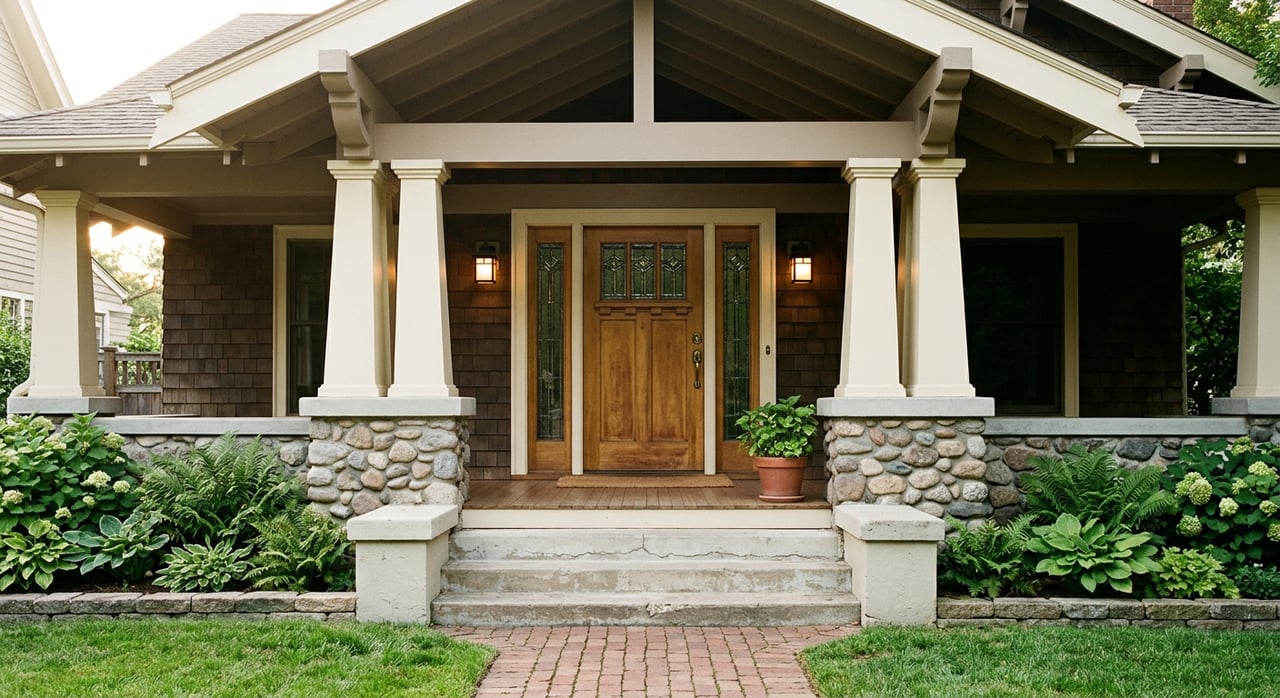
For Craftsman homes, Glendale’s guidelines point to horizontal massing, broad low roof planes, wood clapboard or shingles, and traditionally compatible double-hung or steel-casement windows. Rear additions are generally preferred.
If you are touring a Craftsman, look closely at how much of that original look remains. A house that still presents those key traits may be easier to maintain in a style-consistent way over time.
Spanish Colonial Revival features to notice
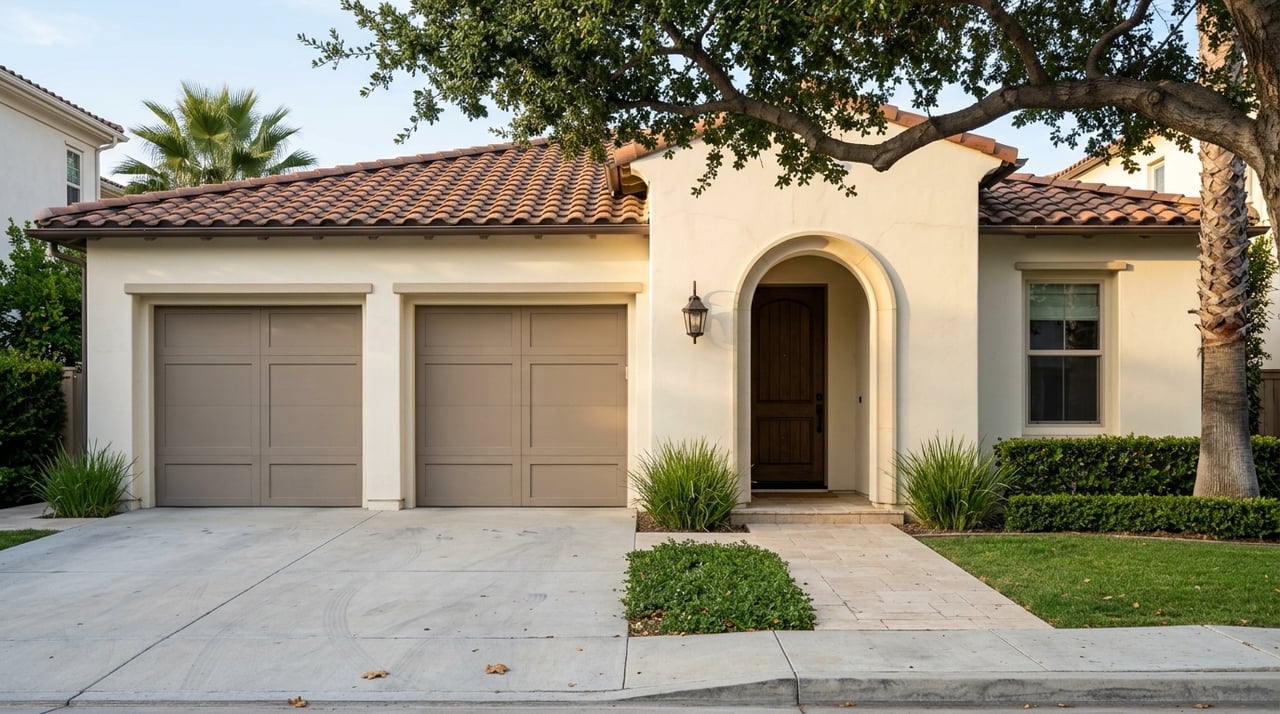
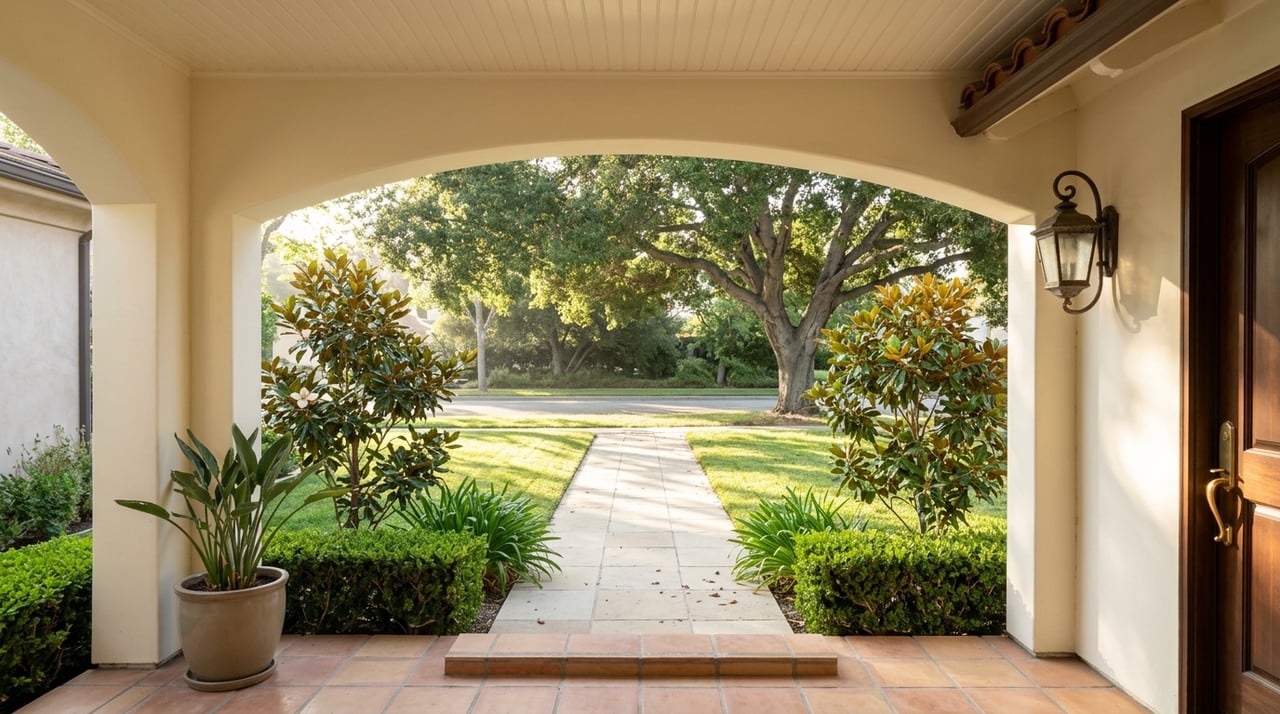
For Spanish Colonial Revival homes, Glendale highlights smooth stucco, red clay tile roofs, arched openings, and grouped windows. Roof form and tile are especially important, and rear additions should remain subordinate.
If a home has lost major exterior elements that define the style, it may take more work to restore visual consistency. If those features are intact, the home may feel more authentic and continue to attract future buyers who value that look.
Modern and mid-century features to notice
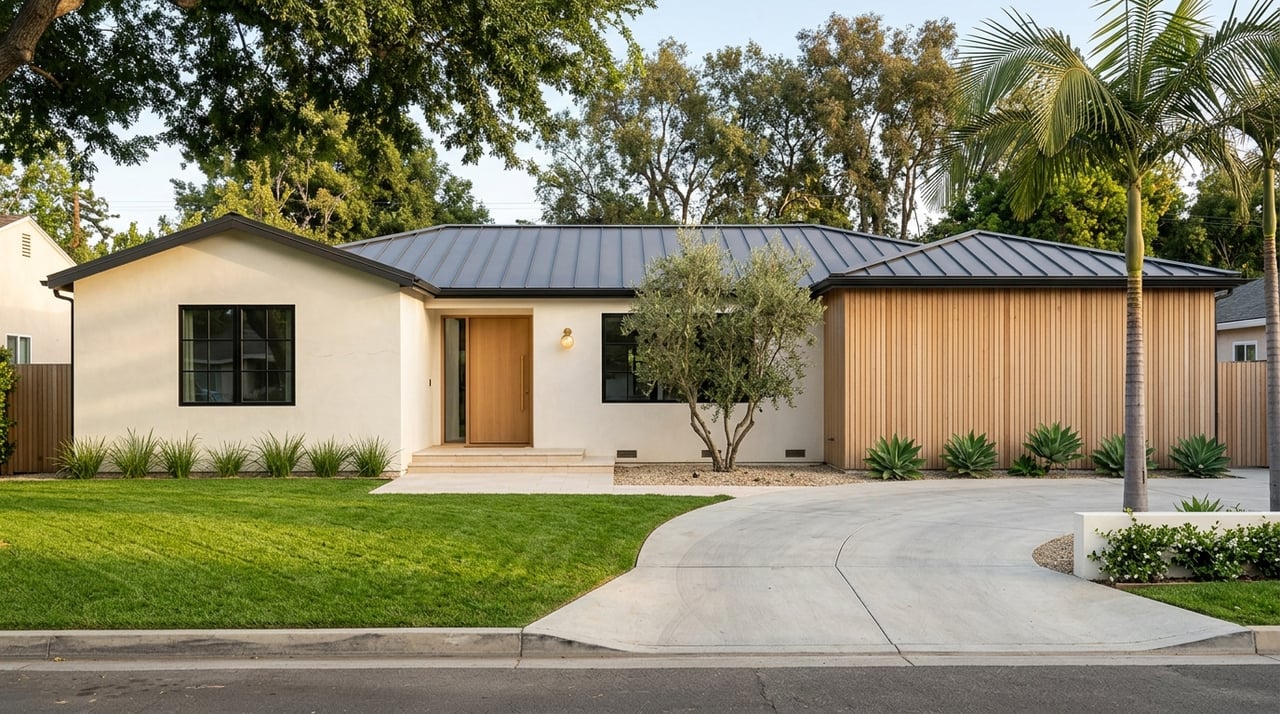
For Modern and mid-century homes, Glendale emphasizes horizontal lines, simple detailing, and original window rhythm. The city discourages additions that disrupt the building’s horizontal massing.
That means even a well-intended remodel can weaken the design if it changes the home’s proportions. When you walk through one of these homes, focus on whether the original design still feels cohesive.
Inspect the systems, not just the charm
A beautiful fireplace surround or original front door can pull you in fast. Still, California’s Department of Real Estate advises buyers to look closely at the home’s electrical, plumbing, HVAC, roof, foundation, and structural integrity.
For an older Glendale home, that usually means paying extra attention to water intrusion, roof condition, drainage, visible wood damage, foundation movement, and whether earlier remodels appear to have been done cleanly. Character is valuable, but function matters just as much.
Older homes can bring bigger maintenance needs
The California Department of Real Estate also reminds buyers that homeownership includes ongoing maintenance and sometimes unexpected repairs. That is especially true with older properties.
Before you buy, make sure your budget includes more than just the purchase price and monthly payment. You may need reserves for repairs, upgrades, or preservation-minded maintenance.
Plan for pest and environmental checks
Older homes often need a broader inspection mindset. In addition to standard inspections, California’s Department of Real Estate advises buyers to consider a termite or pest inspection.
That matters because older wood components, deferred maintenance, or moisture issues can create added risk. If there is visible wood damage or signs of past water intrusion, that inspection becomes even more important.
Lead-based paint in pre-1978 homes
If the home was built before 1978, the EPA says it is more likely to contain lead-based paint. Deteriorating paint or paint disturbed during renovation can create hazards.
If lead is suspected, testing before purchase or before renovation is a smart step. This is particularly important if you plan to refinish surfaces, open walls, or update windows and trim.
Asbestos concerns before renovations
If future work may disturb materials like floor tile, ceiling tile, or pipe wrap, the EPA recommends sampling suspect materials for asbestos with a trained professional before work begins. This does not mean every older home has a problem, but it does mean you should avoid guessing.
If renovation is part of your plan, it is wise to understand these risks early. That can help you avoid budget surprises after closing.
Ask what is original and what was changed
One of the smartest questions you can ask is simple: what parts of the home are original, and what was replaced later? For character homes, that answer can affect value, maintenance, and future review.
Original or well-matched features often matter most. If windows, exterior materials, roof details, or front-facing design elements were replaced with mismatched updates, restoring consistency may take time and money.
Think carefully about additions and big remodels
If you are buying with renovation in mind, Glendale’s design guidance offers a clear takeaway. Additions are generally preferred at the rear, should remain subordinate to the original structure, and should use materials that fit the home’s style.
This is true across several styles highlighted by the city. So before you fall in love with a property based on expansion potential alone, make sure your ideas match what Glendale is likely to support.
Demolition may be harder than expected
Some buyers look at an older home and think mainly about the lot. In Glendale, that approach may involve more process than expected.
The city’s Demolition Review Ordinance applies to proposed demolitions of properties over 30 years old that are not part of a development project. If your long-term plan is teardown and rebuild, this is a key issue to understand before you buy.
A possible tax benefit to explore
If a property is listed on the Glendale Register of Historic Resources, the owner may be eligible for the Mills Act property-tax reduction program. Glendale says the reduction can be significant, but it comes with a preservation commitment.
That means it is not simply a discount with no tradeoffs. If a registered home interests you, it is worth asking how the program works and whether the obligations fit your ownership goals.
A smart Glendale buying checklist
Before you move forward on a character home in Glendale, keep this short list in mind:
- Confirm whether the home is on the Glendale Register or in a historic district
- Ask what approvals may be needed for repairs, additions, or exterior changes
- Review key systems, including electrical, plumbing, HVAC, roof, and foundation
- Consider termite or pest inspections
- Ask about water intrusion, drainage, wood damage, and prior remodel quality
- Check whether the home may have lead-based paint if built before 1978
- Evaluate whether renovation plans could disturb suspect asbestos-containing materials
- Identify which visible features are original and which were replaced later
- Think through whether your remodel goals match Glendale’s style and review standards
- Ask whether Mills Act eligibility applies if the property is historically listed
Why local guidance matters
Buying a character home is not just about square footage or finishes. It is about understanding how style, condition, city review, and long-term maintenance all connect.
That is where experienced local guidance can make the process smoother. When you know what questions to ask early, you are in a much better position to choose a home that fits both your taste and your plans.
If you are considering a character home in Glendale and want thoughtful, hands-on guidance, Patricia Parish can help you evaluate the details that matter and move forward with confidence.
FAQs
What should you inspect first in a Glendale character home?
- Start with the major systems and structure, including electrical, plumbing, HVAC, roof, foundation, and any signs of water intrusion, drainage problems, wood damage, or poorly done past remodels.
What does historic status mean for a Glendale homebuyer?
- If the home is on the Glendale Register or in a historic district, certain alterations, repairs, additions, or demolitions may need approval from Glendale’s review bodies.
What original features matter most in a Glendale character home?
- The features that often matter most are the front façade, original window rhythm, roof shape, massing, and materials that clearly reflect the home’s architectural style.
What environmental issues should you check in an older Glendale home?
- For older homes, especially those built before 1978, ask about lead-based paint risk and consider whether planned renovations could disturb suspect asbestos-containing materials.
What should you know before remodeling a Glendale historic home?
- Glendale generally prefers rear additions, subordinate massing, and materials that stay visually consistent with the home’s original style, so your plans should be reviewed early.
What is the Mills Act for a Glendale historic property?
- The Mills Act is a potential property-tax reduction program for eligible historically listed properties, but it comes with a preservation commitment tied to ownership.