If you are home shopping in San Dimas, one of the first things to know is that the city does not break down neatly into a simple consumer neighborhood map. Instead, San Dimas is easier to understand by how each area feels, how homes are built, and how close you are to parks, shopping, and commuter routes. Once you know those patterns, you can narrow your search with more confidence. Let’s dive in.
How San Dimas Is Really Organized
San Dimas is a compact city of about 15 square miles with a population of roughly 34,079. The city’s planning system relies on official zoning and land use maps, so buyers often get a clearer picture by thinking in broad character areas rather than strict neighborhood names.
For most buyers, the key areas are the historic downtown or town core, Via Verde and the southwest side, the canyon and foothill side, and the west and central infill corridors. Each one offers a different mix of home size, lot size, street feel, and convenience.
What the Housing Mix Means for Buyers
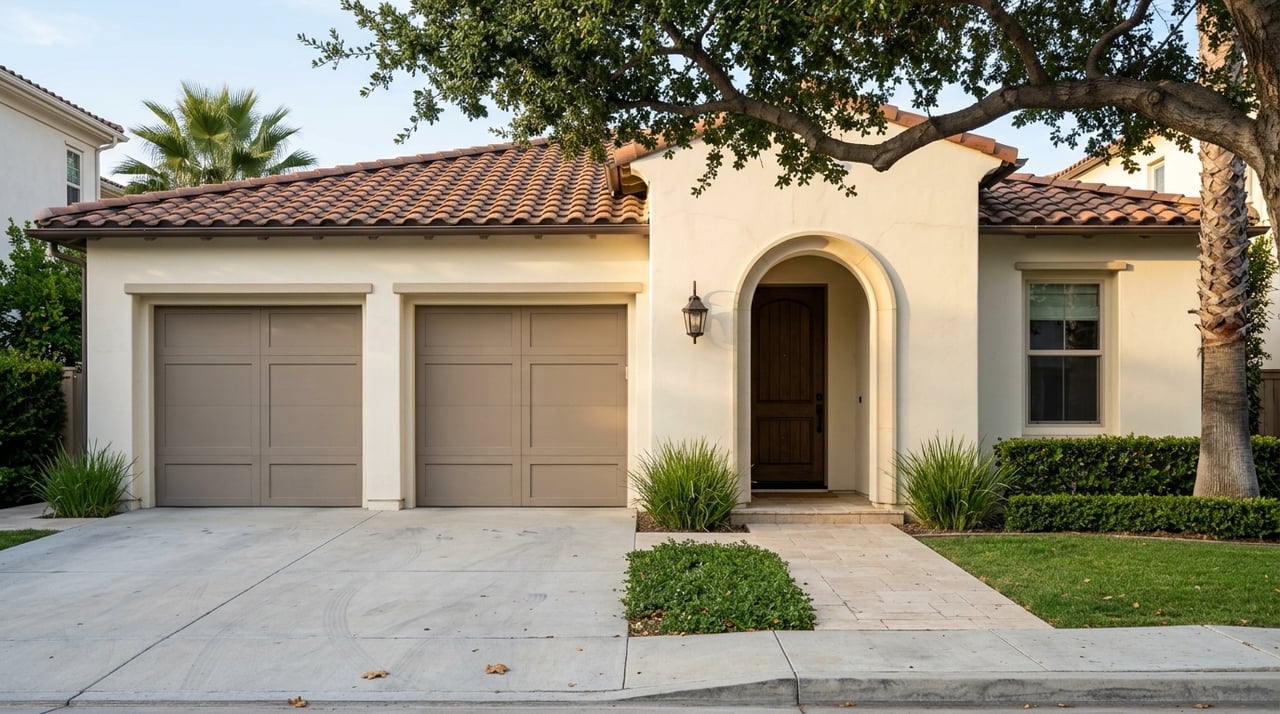
Single-family homes dominate San Dimas and make up more than 75% of the housing stock. That gives the city a strong suburban feel, but there is still meaningful variety depending on where you look.
In central San Dimas, smaller homes are more common, often around 1,000 to 1,500 square feet. Townhomes and condominiums are also concentrated mostly in central San Dimas, while larger homes are more common in Via Verde, the north side, and southern San Dimas.
That range can work well if your needs are changing. You may be looking for a lower-maintenance attached home, a compact detached property, or a larger-lot home with more room to spread out.
The city also notes that as vacant detached lots become harder to find, newer development trends are shifting toward attached single-family homes on smaller lots. For you as a buyer, that means product type can vary quite a bit from one part of town to another.
Downtown San Dimas and the Town Core
What This Area Feels Like
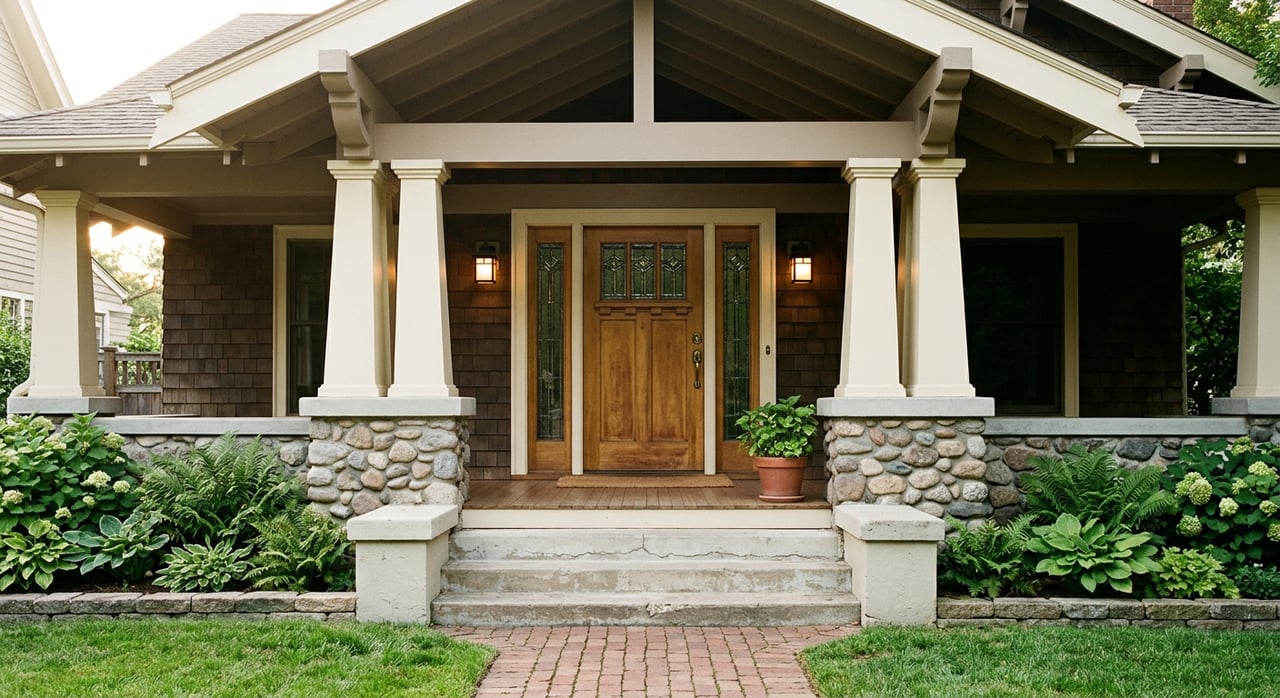
Downtown is the historic heart of San Dimas. The city describes it as a traditional American town center with an established grid pattern, historic homes, churches, and commercial buildings centered around Bonita Avenue.
The Downtown Specific Plan area is roughly bounded by Arrow Highway, San Dimas Avenue, Walnut Avenue, and the SR-57 edge. The city’s vision for this area includes a walkable activity center with retail, restaurants, cultural uses, civic uses, and a variety of housing types.
What Buyers May Like Here
If you are drawn to older homes, established streets, and the most direct access to downtown shops and dining, this area may be a strong fit. Bonita Avenue serves as the main convenience corridor, and the city’s restaurant guide supports its role as a central place for dining and errands.
Downtown also has real historic depth. The Walker House, built in 1887, is one of the city’s best-known landmarks, and the city’s preservation materials note that more than 300 pre-1940 structures were surveyed for historic significance or contribution to the historic fabric.
What to Verify Before You Buy
If you are considering an older home, it is smart to confirm whether the property is tied to a historic district or preservation review. The city identifies Upper and Lower San Dimas Avenue historic district areas and notes Mills Act tax incentives for qualifying historic properties.
Before you write an offer, it is worth checking parcel-specific zoning, land use designation, HOA rules if applicable, and any historic status through the city’s planning tools. That extra step can help you understand future remodeling limits, review requirements, or ownership benefits.
Via Verde and Southwest San Dimas
What This Area Feels Like
Via Verde and the southwest side offer a more recreation and commute-oriented lifestyle. This part of San Dimas combines neighborhood amenities, hillside settings in some sections, and practical access to major routes.
City materials describe the southwest hillside planning area near Via Verde, Puente, and East Covina Hills as mostly developed with single-family residences in hillside settings. The same materials note regional access to Interstate 10 about one mile south.
What Buyers May Like Here
If you want park access and easier freeway convenience, Via Verde is worth a close look. Via Verde Park is an 8.5-acre neighborhood park with a walking path, playground, picnic areas, benches, restrooms, and a barbecue area.
The city also notes that Foothill Transit serves San Dimas with street stops and commuter parking lots in both Via Verde and downtown. That can be helpful if you want local transit options in addition to driving.
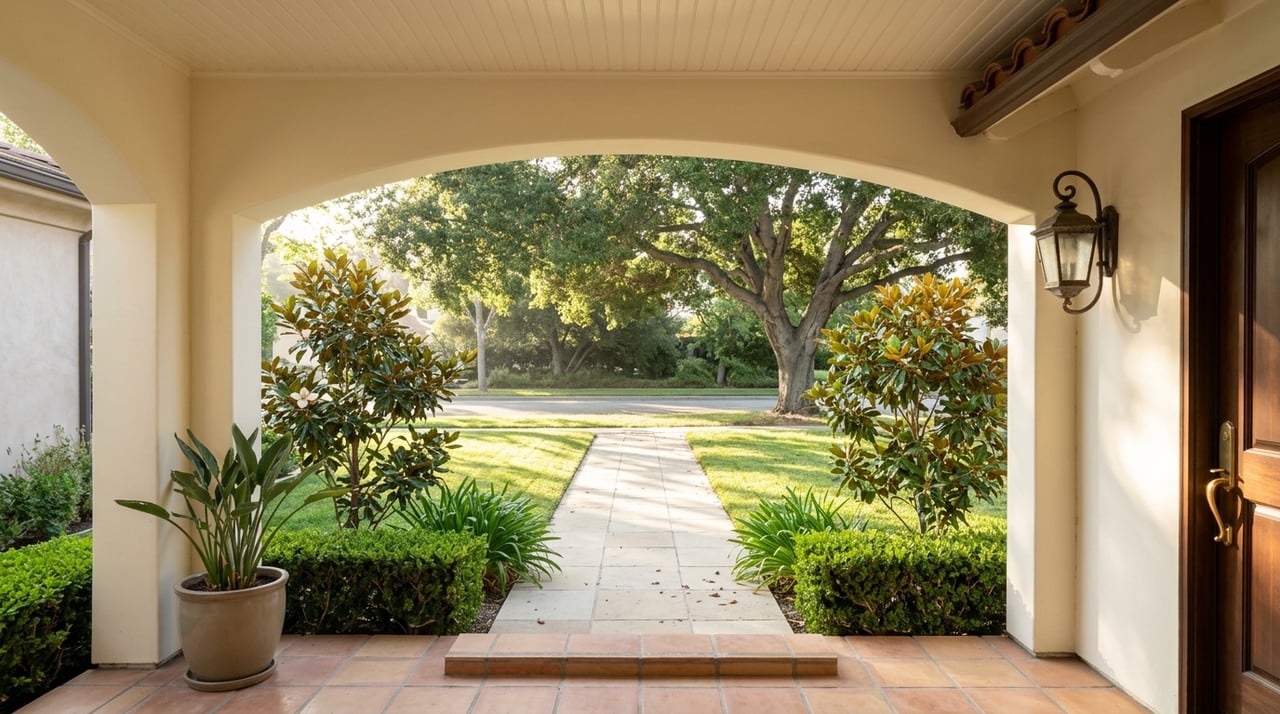
This area can appeal to buyers who want a mix of newer-feeling streets, single-family homes, and hillside surroundings. It often makes sense for buyers who want a suburban setting with practical daily access.
San Dimas Canyon and Foothill Areas
What This Area Feels Like
San Dimas is officially described as nestled against the foothills, and the canyon side reflects that identity clearly. This area is closely tied to outdoor recreation, trail access, and larger-lot living in some sections.
The city highlights San Dimas Canyon Park, the San Dimas Canyon Golf Club, and more than 27 miles of equestrian trails as part of the community’s outdoor character. The trail system also includes routes connected to Bonelli Regional Park and multi-use corridors along roads such as Via Verde Avenue, San Dimas Avenue, West Allen Avenue, Baseline Road, Foothill Boulevard, and North San Dimas Canyon Road.
What Buyers May Like Here
If your wish list includes more privacy, larger yards, views, or a more open-space feel, the foothill side may stand out. The city’s land use map includes very low-density and estate residential categories, including areas with a maximum of one unit per acre and minimum lot sizes from 1.5 to 3 acres.
That does not mean every foothill property is an estate lot, but it does confirm that San Dimas includes neighborhoods with more separation between homes. For move-up buyers or anyone prioritizing space, this can be one of the city’s most distinct offerings.
West and Central Infill Corridors
What This Area Feels Like
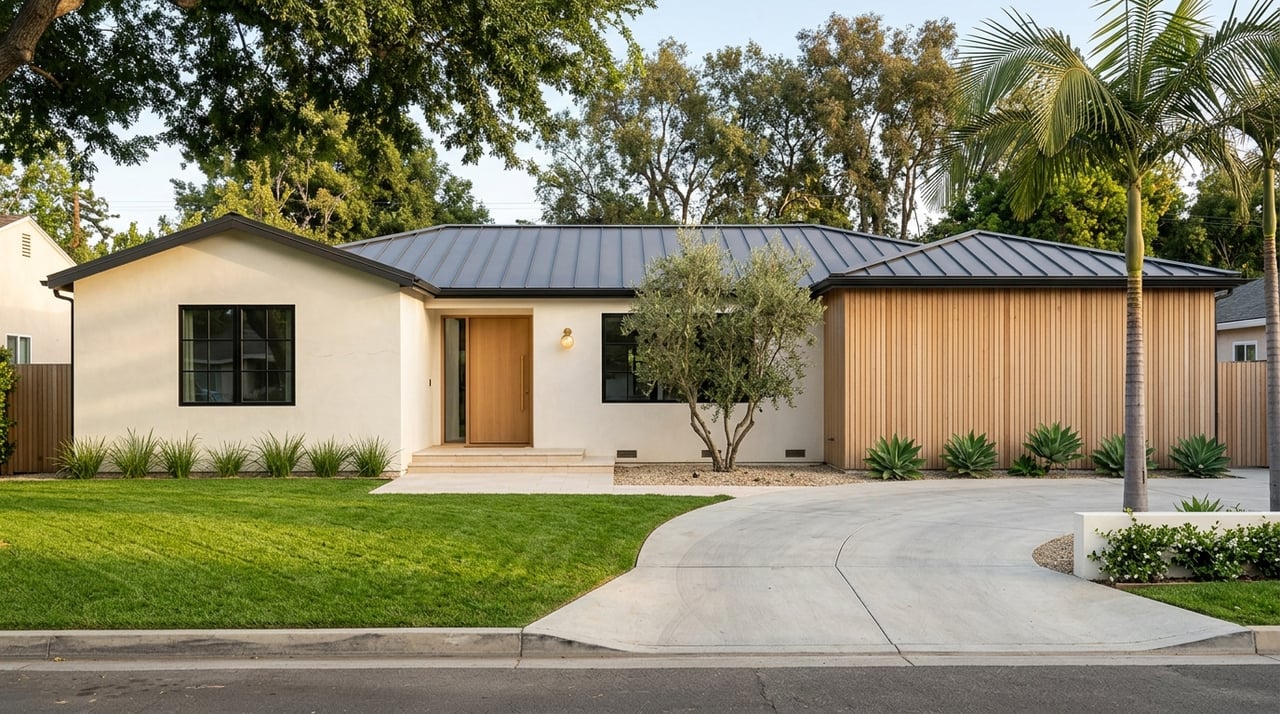
West and central San Dimas are often the places where you are most likely to find compact-lot homes, attached housing, and other lower-maintenance options. These areas reflect the city’s broader housing mix and the push toward infill development where land is available.
The city’s housing materials say smaller homes are concentrated in central San Dimas, and townhomes and condominiums are mostly located there. Recent city project materials also show examples of smaller-footprint detached homes and multi-story housing planned on infill sites.
What Buyers May Like Here
If you are a first-time buyer, downsizer, or someone who wants a simpler maintenance routine, these areas may offer more practical options. You may also find easier access to retail and commuter corridors compared with the more foothill-oriented sections of the city.
The city notes that San Dimas has more than 1,700 businesses citywide. That supports the idea that daily services are spread across several corridors rather than concentrated in only one part of town.
Parks, Shopping, and Daily Convenience
One of San Dimas’s biggest lifestyle features is Bonelli. The city describes the Frank G. Bonelli Recreational Area as 1,700 acres within city boundaries, while Los Angeles County describes Frank G. Bonelli Regional Park as an 1,800-acre facility with a 250-acre lake and 14 miles of multi-use trails.
The exact acreage differs by source, but the takeaway is the same. Bonelli is a major recreation anchor and a big part of San Dimas’s identity.
For shopping and errands, downtown Bonita Avenue is the most recognizable historic commercial area. At the same time, neighborhood-scale businesses also appear along Via Verde and Arrow Highway, which gives buyers a choice between a more walkable town-center pattern and a more corridor-based convenience pattern.
Commute Access in San Dimas
For many buyers, location is not just about the home. It is also about how easily you can get around the region.
San Dimas has direct access to Interstate 10, the 210, and the 57. The city also has Foothill Transit service, commuter parking lots in Via Verde and downtown, and regional rail access in nearby Pomona and Covina.
If your routine includes commuting, travel across the San Gabriel Valley, or regular trips into surrounding areas, those connections can help shape which part of San Dimas feels most practical for you.
How to Match Your Wish List
If you are comparing different parts of San Dimas, it helps to start with your daily priorities instead of only square footage.
Best Area for Historic Character
If you want older homes, an established street grid, and the closest access to Bonita Avenue shops and dining, focus on Downtown and the Town Core.
Best Area for Parks and Freeway Access
If you want park access, commuting convenience, and a mix of single-family homes in more level or hillside settings, look at Via Verde and Southwest San Dimas.
Best Area for Space and Open Feel
If you want larger lots, trail access, and a quieter foothill setting, the best fit may be San Dimas Canyon and the Foothill Areas.
Best Area for Lower-Maintenance Options
If you want smaller-lot detached homes, townhomes, condos, or newer infill product, start with Central and West San Dimas Corridors.
A Smart Way to Search San Dimas
San Dimas works best when you search by lifestyle and housing pattern, not just by map boundaries. The city reads less like one uniform suburb and more like a series of housing gradients, from older walkable core blocks to compact infill corridors, recreation-oriented Via Verde streets, and larger-lot foothill neighborhoods.
That is why neighborhood-level guidance matters. When you match your budget, lot-size goals, home style preferences, and daily routine to the right part of the city, your search usually becomes faster and more focused.
If you want help narrowing down which part of San Dimas best fits your goals, Patricia Parish offers the kind of hands-on guidance that can make your home search feel much more clear and manageable.
FAQs
What types of homes are most common in San Dimas?
- Single-family homes are the dominant housing type in San Dimas, making up more than 75% of the housing stock, with condos and townhomes concentrated more in central areas.
Which part of San Dimas is best for historic homes?
- Downtown San Dimas and the town core are the best places to start if you want historic character, older homes, and access to Bonita Avenue shops and dining.
Where can homebuyers find larger lots in San Dimas?
- Larger-lot and estate-style opportunities are most closely associated with the canyon and foothill areas, where the city’s land use map shows very low-density residential categories.
Which San Dimas areas may work well for first-time buyers or downsizers?
- West and central San Dimas often offer smaller homes, townhomes, condominiums, and compact-lot housing that may appeal to first-time buyers or downsizers.
Does San Dimas have good commuter access?
- San Dimas has access to Interstate 10, the 210, and the 57, plus Foothill Transit service, commuter parking lots, and nearby regional rail access in Pomona and Covina.
What should buyers check before buying an older home in San Dimas?
- Buyers should confirm parcel-specific zoning, land use designation, HOA rules if any, and whether the property is in a historic district or subject to preservation review through the city’s planning tools.