Thinking about selling your home in La Verne? In a market where home values are strong but buyers still compare options carefully, a successful sale usually comes down to preparation, pricing, and timing. If you want to protect your bottom line and avoid surprises during escrow, it helps to know what to do before your home ever hits the market. Let’s dive in.
Understand the La Verne market
La Verne remains a high-value housing market, but that does not mean every home sells instantly or far above asking. According to U.S. Census QuickFacts for La Verne, the city had an estimated 30,192 residents in 2024, a 69.2% owner-occupied rate, and a median owner-occupied home value of $817,000. That owner-occupied profile suggests many local sales involve long-term homeowners, not just short-term investors.
Recent market reports also show why sellers should look beyond one headline number. Redfin’s La Verne housing market data reported a February 2026 median sale price of $1,025,000 and 35 median days on market, while Realtor.com’s La Verne market page reported a February 2026 median home price of $1,049,000, a 99% sale-to-list ratio, and 26 median days on market. The difference likely reflects different data sets, but the bigger takeaway is clear: La Verne is valuable, yet sellers still need a smart strategy.
Statewide conditions support that cautious approach. The California Association of Realtors January 2026 update noted softer recent sales activity, while still forecasting modest growth in both sales and prices for 2026. In other words, buyers are active, but they are not likely to ignore overpricing or deferred maintenance.
Price by neighborhood, not by guesswork
One of the biggest mistakes sellers make is relying too heavily on an automated value estimate. In La Verne, neighborhood differences are large enough to materially affect pricing strategy. Realtor.com neighborhood data for La Verne shows median home prices of $1,348,900 in North La Verne, $811,499 in Foothill Corridor, and $837,000 in Lordsburg.
That spread matters. A home in one part of La Verne may compete with very different inventory than a similar-sized home in another section of the city. Your pricing plan should be based on recent closed sales, current active listings, condition, lot characteristics, and your specific neighborhood, not just the citywide average.
This is where local guidance becomes especially important. A strong pricing strategy helps you attract qualified buyers early, avoid sitting on the market too long, and reduce the odds of chasing the market with later price cuts.
Start with prep that buyers notice
Before you list, focus on improvements that help your home show well and feel move-in ready. Presentation often matters more than dramatic remodeling, especially when buyers are comparing several homes in the same price range.
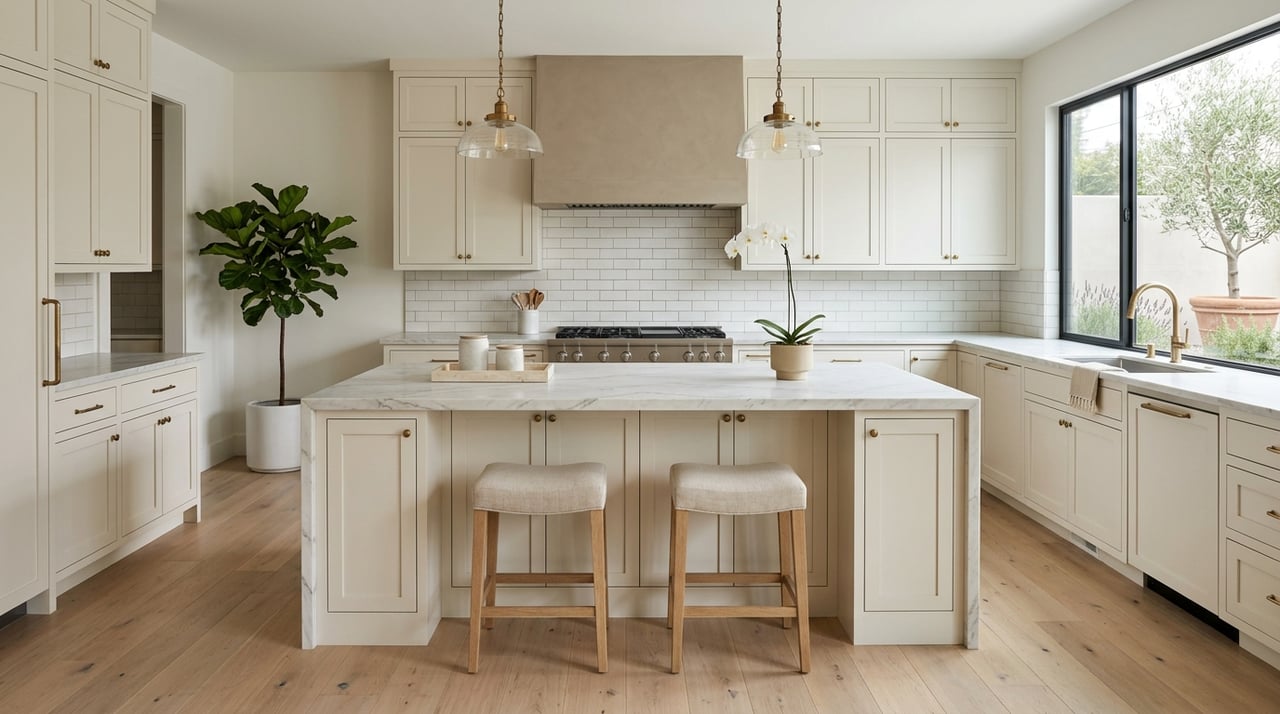
The National Association of Realtors 2025 staging snapshot found that 83% of buyers’ agents said staging makes it easier for buyers to visualize a property as a future home. The most commonly staged rooms were the living room, primary bedroom, and dining room. The same report noted a median professional staging cost of $1,500.
That does not mean every seller needs a full redesign. It does mean you should think carefully about how your home looks in photos, during showings, and in the first few seconds after a buyer walks in.
Focus on high-impact updates
The 2025 NARI Remodeling Impact Report supports a practical, seller-friendly approach. Realtors most often recommended painting the entire home, painting a single interior room, and replacing an old roof when needed. The report also found strong cost recovery for projects like a new steel front door, closet renovation, and a new fiberglass front door.
For many La Verne sellers, the best pre-listing plan includes:
- Deep cleaning throughout the home
- Decluttering each room
- Touch-up or full interior paint where needed
- Minor repairs you have been putting off
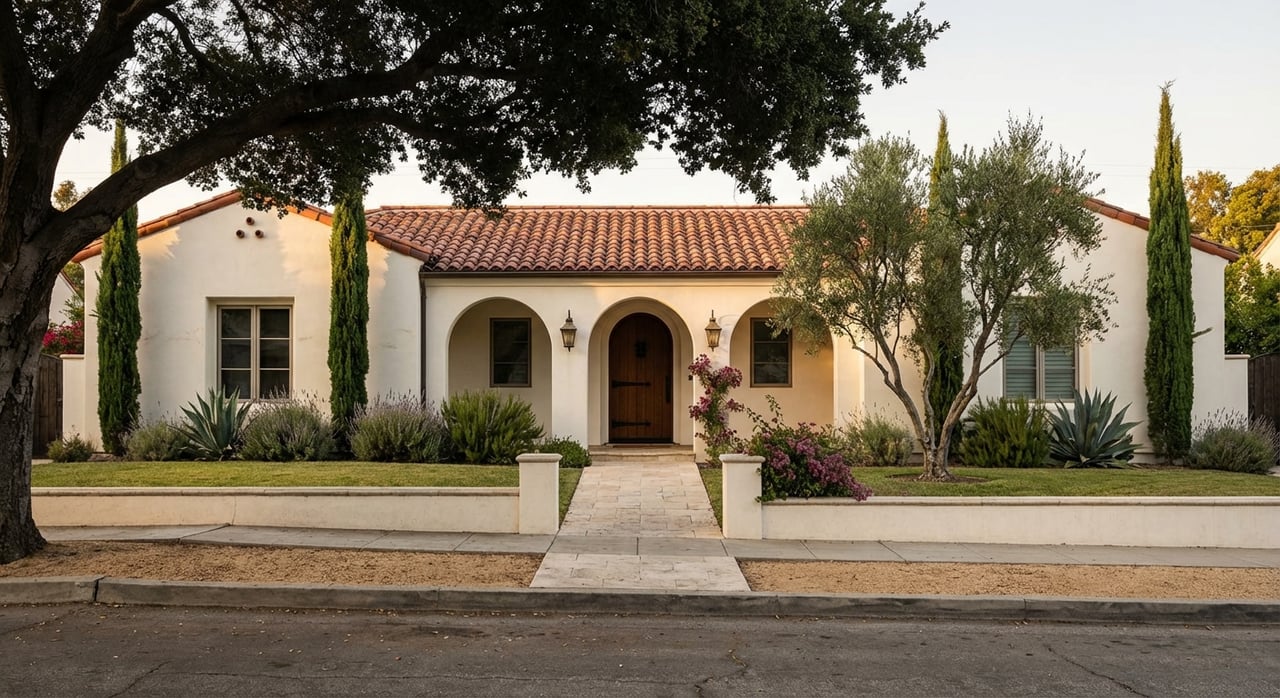
- Improving curb appeal at the front entry
- Refreshing key spaces like the living room and primary bedroom
These steps can make your home feel more cared for, more current, and easier for buyers to picture as their own.
Build a marketing plan around presentation
Good marketing is not just about getting your listing online. It is about helping buyers understand the value of your home the moment they see it.
Because staging helps buyers visualize the property, it makes sense to pair that preparation with professional photography and a clean, neutral presentation. When your home is well prepared, photos look stronger, online interest tends to improve, and in-person showings often feel more productive.
In a market like La Verne, where buyers may still negotiate, strong presentation can also support your asking price. It gives buyers fewer obvious reasons to push for concessions before escrow even starts.
Get disclosures ready early
California sellers have important disclosure responsibilities, and timing matters. The California Department of Real Estate disclosure guide explains that the Real Estate Transfer Disclosure Statement is required in most sales. If that disclosure is delivered after the buyer signs the offer, the buyer gets three days to terminate after personal delivery or five days after delivery by mail.
That is one reason it is smart to gather paperwork early rather than waiting until you are already under contract. Delays in disclosures can create avoidable risk and stress.
Key documents to organize
Depending on the property, sellers may need to prepare or request:
- Real Estate Transfer Disclosure Statement
- Natural Hazard Disclosure information on the statutory form, when applicable
- Smoke-detector compliance statement for a single-family sale
- HOA or common-interest development documents, if the property is in an HOA
For homes built before 1978, the EPA’s lead-based paint disclosure rules also require sellers and agents to provide known lead-based paint information, available records, the EPA pamphlet, a warning statement, and a 10-day opportunity for inspection unless waived in writing.
If your property is part of a common-interest development, the DRE guide notes that additional documents may include governing documents, financial statements, reserve studies, assessments, and notices of unresolved violations or fee changes. Since these can take time to gather, early planning can keep your timeline on track.
Expect negotiation, even in a strong market
A high-value market does not eliminate negotiation. It simply changes how buyers and sellers approach it.
Redfin’s La Verne market trends show the median sale price was down 3.3% year over year, while Realtor.com’s local data said homes sold for about 1.39% below asking on average in February 2026. That means sellers should be prepared for inspection requests, repair discussions, credits, or pricing adjustments.
The best way to protect your leverage is to prepare in advance. A well-priced, well-presented home with complete disclosures usually puts you in a better position than a home that feels rushed or uncertain.
Know how escrow and closing work
Once you accept an offer, the sale moves into escrow. The California DRE escrow guide for consumers explains that escrow is a neutral process in which documents and funds are held until all agreed conditions are satisfied. No legal documents are recorded and no funds are released until those conditions are complete.
That is why the details matter so much after contract acceptance. Repair timing, contingency deadlines, buyer loan progress, and final paperwork all affect whether your closing stays on schedule.
Common seller-side closing costs
The same DRE guide says that in Southern California, sellers usually pay title insurance, the county documentary transfer tax, and often split escrow fees, though the final allocation is still negotiable. The Los Angeles County recorder information referenced in the DRE guidance indicates the county documentary transfer tax is $0.55 per $500 of value, and La Verne does not fall under one of the listed special city tax rates.
For financed purchases, the buyer receives a Closing Disclosure under CFPB rules at least three business days before closing. If loan numbers change late, that can affect timing, so steady coordination throughout escrow is essential.
Why full-service support matters
Selling a home in La Verne involves more than putting a sign in the yard. You need pricing based on the right comps, a prep plan that makes financial sense, a marketing approach built around presentation, timely disclosures, and close oversight once escrow begins.
That kind of coordination can make a real difference in both your experience and your final result. With more than 35 years of experience, staging support, valuation guidance, and a hands-on approach to client service, Patricia Parish helps sellers move from prep to closing with a clear plan and steady communication.
FAQs
What is the typical home price range for selling in La Verne?
- Recent February 2026 reports showed citywide median prices around $1,025,000 to $1,049,000, with neighborhood medians varying significantly.
How long does it take to sell a home in La Verne?
- Recent market trackers reported median days on market between 26 and 35 days, though actual timing depends on pricing, condition, and buyer demand.
What repairs should sellers make before listing a home in La Verne?
- Focus first on cleaning, paint, minor repairs, curb appeal, and simple updates that improve presentation rather than jumping into major remodels.
What disclosures are required when selling a home in La Verne, California?
- Common requirements include the Transfer Disclosure Statement, Natural Hazard Disclosure when applicable, smoke-detector compliance, and lead-based paint disclosures for pre-1978 homes.
Do La Verne sellers need to expect buyer negotiations?
- Yes. Even in a strong market, local data shows many homes still sell slightly below asking, so inspection requests and credits are still common.
What closing costs do sellers usually pay in La Verne?
- In many Southern California transactions, sellers typically pay title insurance, the county documentary transfer tax, and often part of escrow fees, though exact terms depend on the contract.